The Importance of Biodiversity in Nature
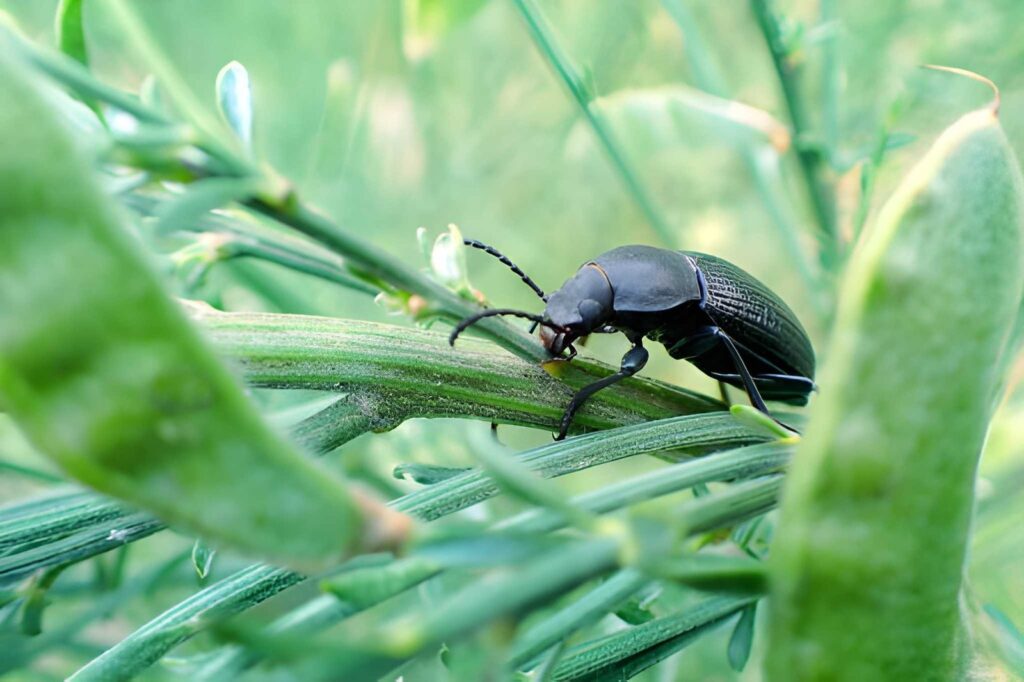
Biodiversityis the variety of life on Earth, including plants, animals, fungi, microorganisms, and the ecosystems they form. From tropical rainforests and coral reefs to grasslands, wetlands, and even city parks, biodiversity supports the natural systems that make life possible. Understanding the importance of biodiversity in nature is essential because it affects food, water, climate, medicine, and TG88com the overall health of the planet.
What Is Biodiversity?
Biodiversity refers to the richness and variety of living organisms in a particular area or across the entire Earth. It includes three main levels:
– **Genetic diversity**: The variety of genes within a species.
– **Species diversity**: The number and variety of species in an ecosystem.
– **Ecosystem diversity**: The range of habitats, communities, and ecological processes.
Each level of biodiversity plays a vital role in keeping nature balanced. When biodiversity is strong, ecosystems are more resilient and better able to recover from natural disasters, disease, and climate change.
Why Biodiversity Is Important in Nature
The importance of biodiversity in nature cannot be overstated. Every living organism has a role in maintaining ecological balance. Bees pollinate flowers and crops, trees absorb carbon dioxide, worms improve soil health, and predators help control animal populations. These natural interactions create stable ecosystems that provide essential services for humans and wildlife.
Without biodiversity, ecosystems become weaker and less productive. A decline in one species can affect many others, creating a chain reaction throughout the environment. For example, if pollinators disappear, many plants cannot reproduce, which affects insects, birds, animals, and human food supplies.
Biodiversity Supports Food Security
One of the most important benefits of biodiversity is its role in food production. Many crops depend on insects, birds, and bats for pollination. Healthy soils filled with microorganisms, fungi, and insects help crops grow by recycling nutrients and improving soil structure.
Biodiversity also protects agriculture from pests and diseases. A wide variety of plant species and genetic diversity in crops can reduce the risk of total crop failure. If farmers rely on only one type of crop, a single disease or pest outbreak can destroy an entire harvest. Diverse ecosystems help create more secure and sustainable food systems.
Biodiversity Helps Regulate the Climate
Biodiversity plays a major role in climate regulation. Forests, oceans, wetlands, and grasslands absorb and store carbon, helping to reduce the amount of carbon dioxide in the atmosphere. Trees and plants also produce oxygen, cool the air, and help maintain rainfall patterns.
When ecosystems are destroyed, stored carbon is released into the atmosphere, contributing to climate change. Protecting biodiversity helps slow global warming and makes natural environments more capable of adapting to changing conditions. Healthy ecosystems are one of the most effective natural solutions to climate change.
Biodiversity Protects Clean Water and Air
Nature acts as a natural filter. Wetlands, forests, and soil organisms help clean water by trapping pollutants and breaking down waste. Plant roots reduce erosion and prevent sediment from entering rivers and lakes. Healthy ecosystems also help recharge groundwater and reduce the risk of floods.
Biodiversity improves air quality as well. Trees and plants absorb pollutants, release oxygen, and help regulate temperature. Urban biodiversity, such as parks, green roofs, and tree-lined streets, can make cities healthier and more comfortable places to live.
Biodiversity Supports Medicine and Science
Many medicines come from natural sources. Plants, fungi, bacteria, and animals have provided ingredients for antibiotics, cancer treatments, pain relievers, and other important drugs. Scientists continue to study biodiversity to discover new medicines and technologies.
If species disappear before they are studied, humanity may lose valuable medical and scientific opportunities. Protecting biodiversity means protecting potential cures and innovations that could benefit future generations.
Biodiversity Maintains Ecosystem Balance
Every species has a function in its ecosystem. Some species are producers, creating food through photosynthesis. Others are consumers, feeding on plants or animals. Decomposers, such as fungi and bacteria, break down dead organic matter and return nutrients to the soil.
Predators help control prey populations, preventing overgrazing and habitat destruction. Pollinators help plants reproduce. Scavengers clean up dead animals and reduce disease. When one part of this system is removed, the entire ecosystem can become unstable.
Threats to Biodiversity
Despite its importance, biodiversity is declining around the world. Major threats include:
– **Habitat loss** from deforestation, farming, mining, and urban development.
– **Climate change**, which alters habitats and weather patterns.
– **Pollution** from plastics, chemicals, pesticides, and industrial waste.
– **Overexploitation**, including overfishing, hunting, and illegal wildlife trade.
– **Invasive species** that outcompete native plants and animals.
These threats reduce species populations and damage ecosystems. If action is not taken, many species may become extinct, and the natural systems humans depend on will become less reliable.
How to Protect Biodiversity
Protecting biodiversity requires action at every level, from individuals to governments. Some effective ways to conserve biodiversity include:
– Protecting forests, wetlands, oceans, and other natural habitats.
– Creating wildlife reserves and national parks.
– Reducing pollution and plastic waste.
– Supporting sustainable farming and fishing practices.
– Planting native trees, flowers, and shrubs.
– Avoiding harmful pesticides and chemicals.
– Reducing carbon emissions to fight climate change.
– Supporting conservation organizations and eco-friendly policies.
Individuals can also make a difference by choosing sustainable products, reducing waste, conserving water, and learning more about local wildlife.
The Future of Biodiversity and Nature
The future of biodiversity depends on the choices people make today. Healthy ecosystems are essential for human survival, economic stability, and the beauty of the natural world. Protecting biodiversity is not only about saving animals and plants; it is about preserving the life-support systems of the planet.
By respecting nature and using resources responsibly, humans can help restore ecosystems and protect species for future generations. Biodiversity is the foundation of a healthy planet, and its conservation is one of the most important environmental responsibilities of our time.
Conclusion
Biodiversity is vital to nature because it supports food production, clean water, fresh air, climate stability, medicine, and ecosystem balance. Every species, no matter how small, contributes to the web of life. As biodiversity continues to face serious threats, conservation efforts are more important than ever. Protecting biodiversity means protecting nature, humanity, and nằm mơ thấy rắn the future of life on Earth.