Seminole Blog

Sample Page

Author: admin

  • The Importance of Biodiversity in Nature

    The Importance of Biodiversity in Nature

    Biodiversityis the variety of life on Earth, including plants, animals, fungi, microorganisms, and the ecosystems they form. From tropical rainforests and coral reefs to grasslands, wetlands, and even city parks, biodiversity supports the natural systems that make life possible. Understanding the importance of biodiversity in nature is essential because it affects food, water, climate, medicine, and TG88com the overall health of the planet.

    What Is Biodiversity?

    Biodiversity refers to the richness and variety of living organisms in a particular area or across the entire Earth. It includes three main levels:

    – **Genetic diversity**: The variety of genes within a species.

    – **Species diversity**: The number and variety of species in an ecosystem.

    – **Ecosystem diversity**: The range of habitats, communities, and ecological processes.

    Each level of biodiversity plays a vital role in keeping nature balanced. When biodiversity is strong, ecosystems are more resilient and better able to recover from natural disasters, disease, and climate change.

    Why Biodiversity Is Important in Nature

    The importance of biodiversity in nature cannot be overstated. Every living organism has a role in maintaining ecological balance. Bees pollinate flowers and crops, trees absorb carbon dioxide, worms improve soil health, and predators help control animal populations. These natural interactions create stable ecosystems that provide essential services for humans and wildlife.

    Without biodiversity, ecosystems become weaker and less productive. A decline in one species can affect many others, creating a chain reaction throughout the environment. For example, if pollinators disappear, many plants cannot reproduce, which affects insects, birds, animals, and human food supplies.

    Biodiversity Supports Food Security

    One of the most important benefits of biodiversity is its role in food production. Many crops depend on insects, birds, and bats for pollination. Healthy soils filled with microorganisms, fungi, and insects help crops grow by recycling nutrients and improving soil structure.

    Biodiversity also protects agriculture from pests and diseases. A wide variety of plant species and genetic diversity in crops can reduce the risk of total crop failure. If farmers rely on only one type of crop, a single disease or pest outbreak can destroy an entire harvest. Diverse ecosystems help create more secure and sustainable food systems.

    Biodiversity Helps Regulate the Climate

    Biodiversity plays a major role in climate regulation. Forests, oceans, wetlands, and grasslands absorb and store carbon, helping to reduce the amount of carbon dioxide in the atmosphere. Trees and plants also produce oxygen, cool the air, and help maintain rainfall patterns.

    When ecosystems are destroyed, stored carbon is released into the atmosphere, contributing to climate change. Protecting biodiversity helps slow global warming and makes natural environments more capable of adapting to changing conditions. Healthy ecosystems are one of the most effective natural solutions to climate change.

    Biodiversity Protects Clean Water and Air

    Nature acts as a natural filter. Wetlands, forests, and soil organisms help clean water by trapping pollutants and breaking down waste. Plant roots reduce erosion and prevent sediment from entering rivers and lakes. Healthy ecosystems also help recharge groundwater and reduce the risk of floods.

    Biodiversity improves air quality as well. Trees and plants absorb pollutants, release oxygen, and help regulate temperature. Urban biodiversity, such as parks, green roofs, and tree-lined streets, can make cities healthier and more comfortable places to live.

    Biodiversity Supports Medicine and Science

    Many medicines come from natural sources. Plants, fungi, bacteria, and animals have provided ingredients for antibiotics, cancer treatments, pain relievers, and other important drugs. Scientists continue to study biodiversity to discover new medicines and technologies.

    If species disappear before they are studied, humanity may lose valuable medical and scientific opportunities. Protecting biodiversity means protecting potential cures and innovations that could benefit future generations.

    Biodiversity Maintains Ecosystem Balance

    Every species has a function in its ecosystem. Some species are producers, creating food through photosynthesis. Others are consumers, feeding on plants or animals. Decomposers, such as fungi and bacteria, break down dead organic matter and return nutrients to the soil.

    Predators help control prey populations, preventing overgrazing and habitat destruction. Pollinators help plants reproduce. Scavengers clean up dead animals and reduce disease. When one part of this system is removed, the entire ecosystem can become unstable.

    Threats to Biodiversity

    Despite its importance, biodiversity is declining around the world. Major threats include:

    – **Habitat loss** from deforestation, farming, mining, and urban development.

    – **Climate change**, which alters habitats and weather patterns.

    – **Pollution** from plastics, chemicals, pesticides, and industrial waste.

    – **Overexploitation**, including overfishing, hunting, and illegal wildlife trade.

    – **Invasive species** that outcompete native plants and animals.

    These threats reduce species populations and damage ecosystems. If action is not taken, many species may become extinct, and the natural systems humans depend on will become less reliable.

    How to Protect Biodiversity

    Protecting biodiversity requires action at every level, from individuals to governments. Some effective ways to conserve biodiversity include:

    – Protecting forests, wetlands, oceans, and other natural habitats.

    – Creating wildlife reserves and national parks.

    – Reducing pollution and plastic waste.

    – Supporting sustainable farming and fishing practices.

    – Planting native trees, flowers, and shrubs.

    – Avoiding harmful pesticides and chemicals.

    – Reducing carbon emissions to fight climate change.

    – Supporting conservation organizations and eco-friendly policies.

    Individuals can also make a difference by choosing sustainable products, reducing waste, conserving water, and learning more about local wildlife.

    The Future of Biodiversity and Nature

    The future of biodiversity depends on the choices people make today. Healthy ecosystems are essential for human survival, economic stability, and the beauty of the natural world. Protecting biodiversity is not only about saving animals and plants; it is about preserving the life-support systems of the planet.

    By respecting nature and using resources responsibly, humans can help restore ecosystems and protect species for future generations. Biodiversity is the foundation of a healthy planet, and its conservation is one of the most important environmental responsibilities of our time.

    Conclusion

    Biodiversity is vital to nature because it supports food production, clean water, fresh air, climate stability, medicine, and ecosystem balance. Every species, no matter how small, contributes to the web of life. As biodiversity continues to face serious threats, conservation efforts are more important than ever. Protecting biodiversity means protecting nature, humanity, and nằm mơ thấy rắn the future of life on Earth.
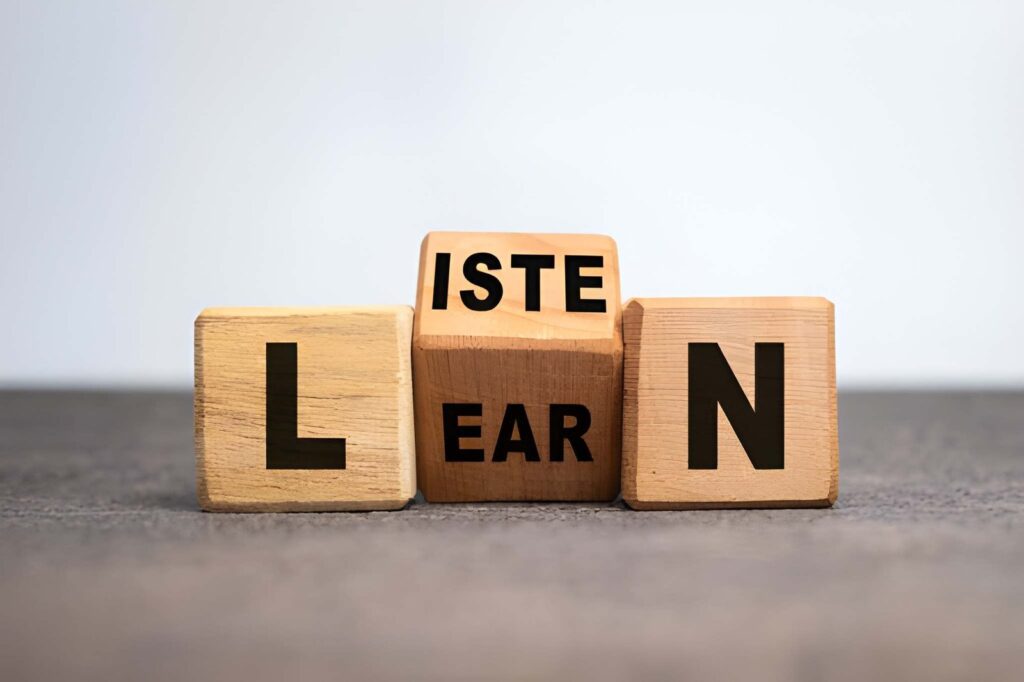

     

  • Effective Strategies for Better Classroom Learning

    Effective Strategies for Better Classroom Learning

    Creating a successful learning environment requires more than simply delivering lessons from a textbook. Effective classroom learning happens when students feel engaged, supported, motivated, and confident enough to participate. Teachers play a key role in shaping this experience by using practical strategies that improve understanding, encourage curiosity, and build long-term academic success. Whether in a traditional classroom or a modern blended learning setting, the right approach can make learning more meaningful and enjoyable for every student.

    Create a Positive Classroom Environment

    A King88com is the foundation of better classroom learning. Students learn best when they feel safe, respected, and valued. Teachers can build this environment by setting clear expectations, encouraging respectful communication, and recognizing student effort.

    Simple actions, such as greeting students at the door, using encouraging language, and celebrating small achievements, can improve student confidence. When learners feel emotionally secure, they are more likely to ask questions, share ideas, and take part in discussions. A welcoming classroom also reduces anxiety and helps students focus better on their lessons.

    Set Clear Learning Goals

    Students need to understand what they are expected to learn and why it matters. Clear learning goals help students stay focused and give lessons a sense of direction. At the beginning of each class, teachers can explain the objective in simple language, such as “Today, we will learn how to write a strong paragraph” or “By the end of this lesson, you will be able to solve two-step equations.”

    When students know the purpose of a lesson, they are more likely to stay engaged. Learning goals also help teachers measure progress and identify areas where students may need extra support.

    Use Active Learning Techniques

    Active learning is one of the most effective strategies for better classroom learning. Instead of passively listening to a lecture, students take part in the learning process through discussion, problem-solving, group work, and hands-on activities.

    Examples of active learning include class debates, role-playing, experiments, peer teaching, and project-based learning. These activities encourage students to think critically and apply what they have learned. Active learning also improves memory because students are more likely to remember information when they use it in practical ways.

    Encourage Student Participation

    Student participation is essential for a lively and productive classroom. However, not all students feel comfortable speaking in front of others. Teachers can encourage participation by offering different ways for students to contribute.

    For example, students can answer questions verbally, write responses on sticky notes, use digital classroom tools, or discuss ideas in small groups before sharing with the class. This gives every learner a chance to participate in a way that feels comfortable. Encouraging participation also helps teachers check understanding and adjust instruction when needed.

    Use Technology Wisely

    Technology can greatly improve classroom learning when used with purpose. Digital tools such as educational apps, interactive whiteboards, online quizzes, and learning management systems can make lessons more engaging and accessible.

    However, technology should support learning, not distract from it. Teachers should choose tools that match the lesson objectives and help students understand the topic better. For example, videos can explain complex concepts visually, while online quizzes can provide instant feedback. When used wisely, technology supports personalized learning and keeps students motivated.

    Differentiate Instruction

    Every classroom includes students with different abilities, learning styles, and backgrounds. Differentiated instruction helps teachers meet these diverse needs by adjusting content, activities, or assessments.

    Some students may need extra practice, while others may benefit from advanced challenges. Teachers can use flexible grouping, varied reading materials, visual aids, and different assignment options to support all learners. Differentiation ensures that every student has the opportunity to succeed, regardless of their starting point.

    Provide Regular Feedback

    Feedback is a powerful tool for improving student learning. Instead of simply giving grades, teachers should provide specific comments that help students understand what they did well and what they need to improve.

    Effective feedback is timely, clear, and constructive. For example, instead of saying “Good job,” a teacher might say, “Your introduction is strong because it clearly explains your main idea.” This type of feedback helps students recognize their strengths and make meaningful improvements. Regular feedback also builds confidence and encourages a growth mindset.

    Promote Collaboration and Teamwork

    Collaborative learning helps students develop communication, leadership, and problem-solving skills. Group activities allow students to learn from one another, share ideas, and build social skills.

    To make collaboration effective, teachers should assign clear roles, set expectations, and monitor group progress. Activities such as group projects, peer reviews, and classroom discussions can help students work together productively. Collaboration also prepares students for real-world situations where teamwork is often essential.

    Connect Lessons to Real Life

    Students are more motivated when they understand how lessons relate to their lives. Real-world connections make learning more relevant and meaningful. Teachers can use examples from everyday life, current events, careers, or student interests to explain academic concepts.

    For instance, math lessons can include budgeting activities, science lessons can connect to environmental issues, and writing assignments can focus on topics students care about. When students see the value of what they are learning, they are more likely to stay interested and engaged.

    Build Strong Teacher-Student Relationships

    Strong relationships between teachers and students improve classroom learning. When students trust their teacher, they are more willing to participate, take academic risks, and seek help when needed.

    Teachers can build relationships by listening to students, showing empathy, learning about their interests, and being consistent and fair. A supportive teacher can have a lasting impact on a student’s motivation and academic performance.

    Conclusion

    Better bắn cá nổ hũ depends on a combination of effective teaching strategies, positive relationships, and student-centered instruction. By creating a supportive environment, setting clear goals, encouraging participation, using technology wisely, and providing regular feedback, teachers can help students reach their full potential. Effective classroom learning is not about one single method; it is about using the right strategies to meet the needs of all learners and inspire a lifelong love of learning.

  • How to Improve Information Retention

    How to Improve Information Retention

    Information retention is the ability to absorb, store, and recall knowledge when you need it. Whether you are a student preparing for exams, a professional learning new skills, or someone who wants to remember more of what you read, improving information retention can make learning faster and more effective.

    Many people assume that a poor memory is fixed, but the truth is that retention can be trained. By using proven learning strategies, improving focus, and Hubetcom supporting brain health, you can remember more information for longer periods of time.

    Why Information Retention Matters

    Strong information retention helps you use knowledge in real situations. It is not enough to simply read a book, attend a lecture, or watch a training video. If you cannot recall the key ideas later, the learning has limited value.

    Better retention can help you:

    – Perform well in school or professional training

    – Improve productivity at work

    – Make better decisions

    – Learn new skills more quickly

    – Build confidence in your knowledge

    – Reduce the need to relearn the same material repeatedly

    In a world full of constant information, the ability to remember what matters is a major advantage.

    Understand How Memory Works

    To improve information retention, it helps to understand the basics of memory. The brain generally processes information in three stages: encoding, storage, and retrieval.

    Encoding happens when you first take in information. Storage is the process of keeping that information in your memory. Retrieval is your ability to access it later.

    Retention fails when any of these stages are weak. For example, if you are distracted while reading, your brain may not encode the information well. If you never review it, the memory may fade. If you do not practice recalling it, you may struggle to retrieve it when needed.

    The best retention strategies strengthen all three stages.

    Improve Focus Before You Learn

    Focus is one of the most important factors in information retention. If your attention is divided, your brain has a harder time forming strong memories.

    Before studying or learning something new, remove distractions. Put your phone away, close unnecessary browser tabs, and choose a quiet environment. If possible, work in short, focused sessions rather than long, distracted ones.

    The Pomodoro Technique can be useful. Study for 25 minutes, then take a 5-minute break. This helps maintain concentration and prevents mental fatigue. When your mind is fully engaged, you are more likely to remember what you learn.

    Use Active Recall

    Active recall is one of the most powerful methods for improving information retention. Instead of simply rereading notes or highlighting text, active recall requires you to retrieve information from memory.

    For example, after reading a section of a textbook, close the book and ask yourself, “What were the main points?” Try to explain the concept without looking. You can also use flashcards, practice questions, or self-quizzes.

    This method strengthens memory because it trains your brain to access information. The more often you practice retrieving knowledge, the easier it becomes to remember later.

    Practice Spaced Repetition

    Spaced repetition is a learning technique that involves reviewing information at increasing intervals over time. Instead of cramming everything in one session, you review material shortly after learning it, then again days or weeks later.

    For example, you might review new information:

    – After one day

    – After three days

    – After one week

    – After two weeks

    – After one month

    This approach works because memories fade if they are not reinforced. Spaced repetition reminds your brain that the information is important, helping move it into long-term memory.

    Many language learners, medical students, and professionals use spaced repetition apps to retain large amounts of information efficiently.

    Teach What You Learn

    One of the best ways to improve information retention is to teach the material to someone else. Teaching forces you to organize your thoughts, identify gaps in your understanding, and explain ideas clearly.

    You do not need a real student to use this method. You can explain the topic out loud to yourself, write a short summary, or pretend you are teaching a beginner.

    This technique is often called the Feynman Technique. The idea is simple: if you can explain something in plain language, you probably understand and remember it well.

    Connect New Information to What You Already Know

    Your brain remembers information more easily when it can connect new ideas to existing knowledge. This is why examples, analogies, and personal experiences improve retention.

    When learning something new, ask yourself:

    – How does this relate to what I already know?

    – Where have I seen this idea before?

    – Can I connect it to a personal experience?

    – What example makes this concept easier to understand?

    These mental connections act like hooks, making information easier to retrieve later.

    Take Better Notes

    Good note-taking improves information retention by helping you process ideas more deeply. However, writing down everything word for word is not always effective. Instead, focus on capturing key ideas in your own words.

    Use headings, bullet points, diagrams, and summaries to organize information. The Cornell Note-Taking Method is especially helpful. Divide your page into sections for notes, key questions, and a short summary. This format makes reviewing easier and encourages active thinking.

    Handwriting notes may also improve retention for some learners because it slows the process down encourages deeper understanding.

    Use Visand 

    Get Enough Sleep

    Support Brain Health

    Review and Apply What You Learn

    Final Thoughts on Improving Information Retention

    ual Learning Tools

    Visual tools can make information easier to remember. Mind maps, charts, diagrams, and color-coded notes help your brain organize and recall complex ideas.

    For example, if you are learning a process, create a flowchart. If you are comparing concepts, use a table. If you are studying a broad topic, create a mind map with branches for key themes.

    Visual learning works because the brain processes images quickly and often remembers them better than plain text.

    Sleep plays a critical role in memory consolidation. During sleep, the brain organizes and strengthens new memories. If you do not get enough rest, your ability to retain information drops.

    Adults should generally aim for seven to nine hours of quality sleep each night. Studying late into the night may feel productive, but lack of sleep can make it harder to remember what you learned.

    For better retention, review important material before bed and allow your brain time to process it overnight.

    Your lifestyle affects your memory. Regular exercise, balanced nutrition, hydration, and stress management all support better brain function.

    Physical activity increases blood flow to the brain and can improve focus and memory. Foods rich in omega-3 fatty acids, antioxidants, and vitamins may also support cognitive health. Good options include fish, berries, leafy greens, nuts, eggs, and whole grains.

    Chronic stress can harm concentration and memory, so relaxation techniques such as meditation, deep breathing, or walking can help improve information retention over time.

    Information becomes stronger when you use it. Instead of only memorizing facts, look for ways to apply new knowledge in real life.

    If you learn a new business concept, use it in a project. If you study a language, practice speaking. If you read a book, discuss the ideas or write a reflection.

    Application turns passive knowledge into practical understanding, making it much easier to remember.

    Improving information retention is not about working harder; it is about learning smarter. By using active recall, spaced repetition, focused study sessions, better note-taking, and healthy lifestyle habits, you can train your brain to remember more.

    The key is consistency. Small changes in how you study, review, and Nổ hũ quyết chiến tiền thưởng apply information can lead to major improvements over time. Whether you want to succeed academically, grow professionally, or simply remember more of what you learn, these strategies can help you build stronger, longer-lasting memory.

  • Homepage

    Recent Post

    • All
    • General

    Recent Post All Homepage Recent Post All Homepage Read Full Story… Hello world! Welcome to WordPress. This is your first…

  • Hello world!

    Welcome to WordPress. This is your first post. Edit or delete it, then start writing!